Discover Maman Joon Kitchen
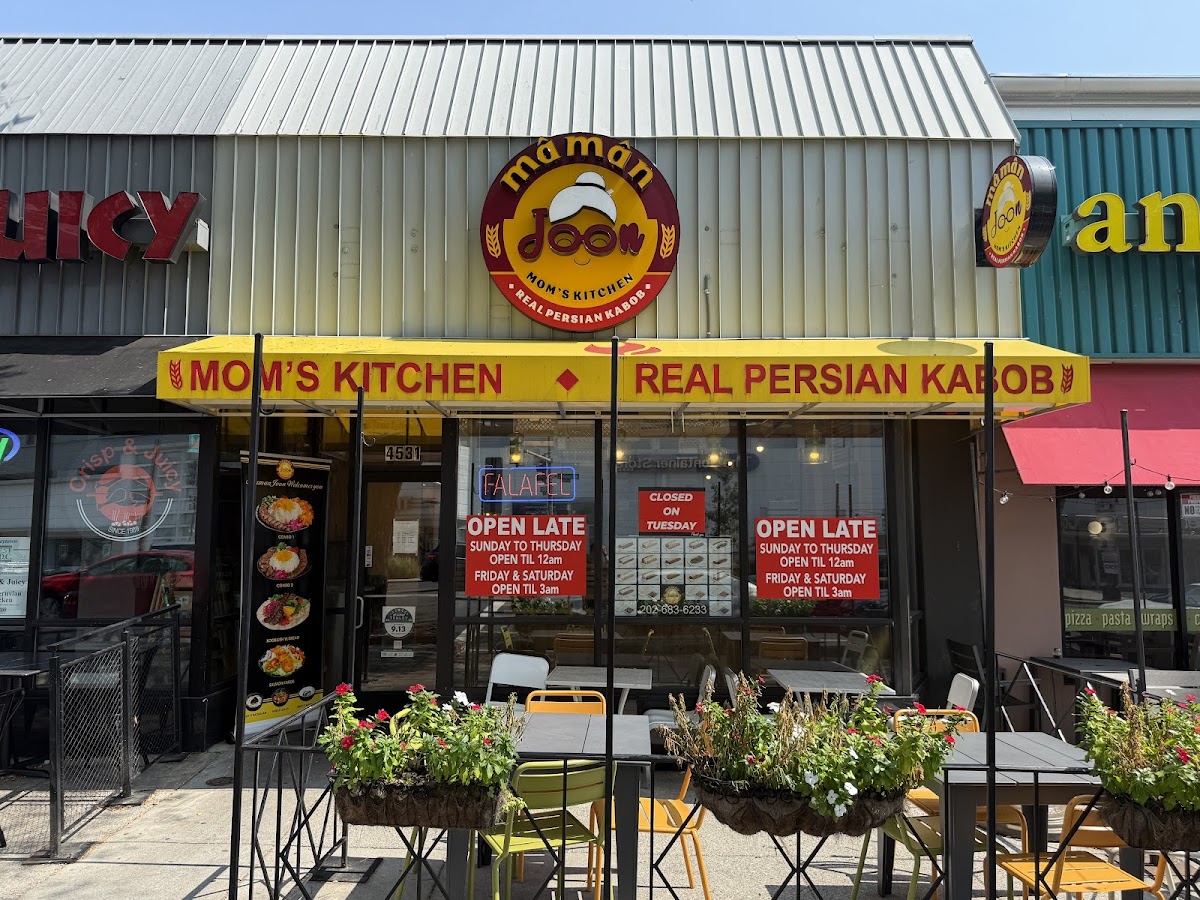
If you’ve ever wandered along 4531 Wisconsin Ave NW, Washington, DC 20016, United States and caught the warm aroma of saffron, slow-cooked lamb, and freshly baked bread in the air, you’ve probably passed Maman Joon Kitchen. I first stopped in on a chilly afternoon after a long walk through Tenleytown, and what began as a quick lunch turned into one of those meals you end up talking about for weeks.
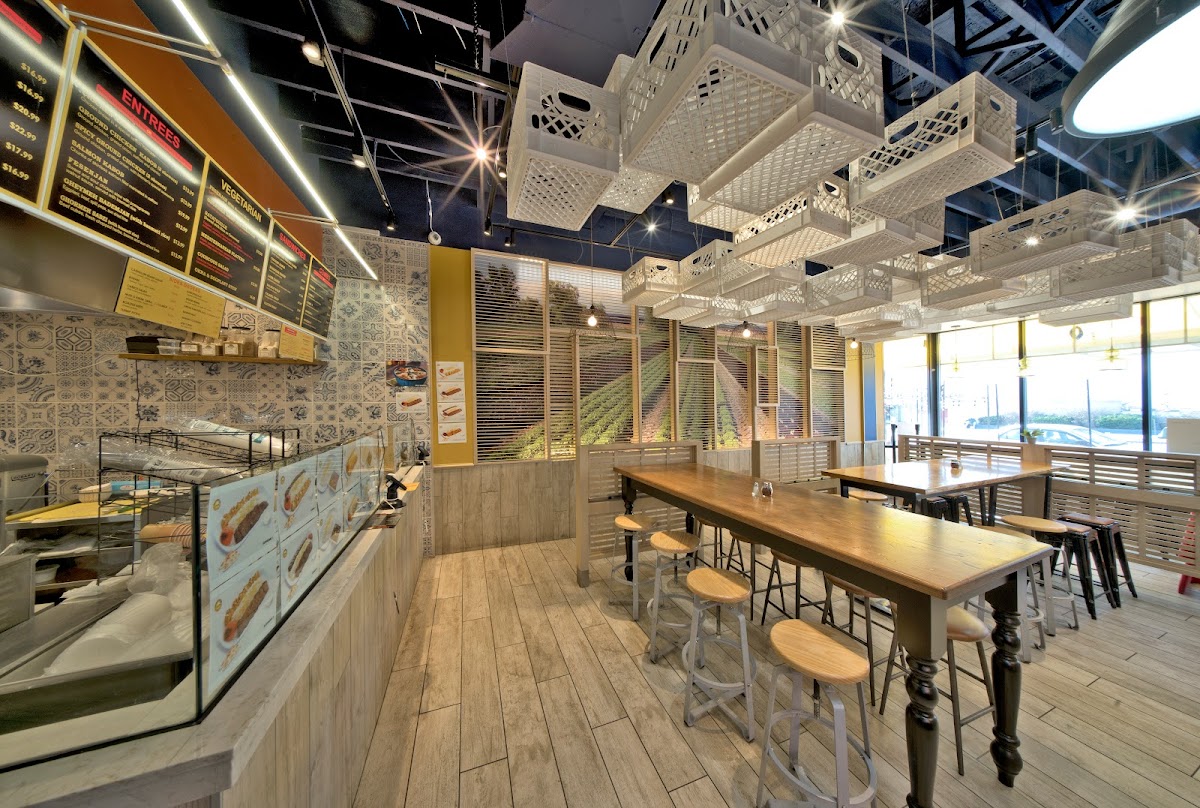
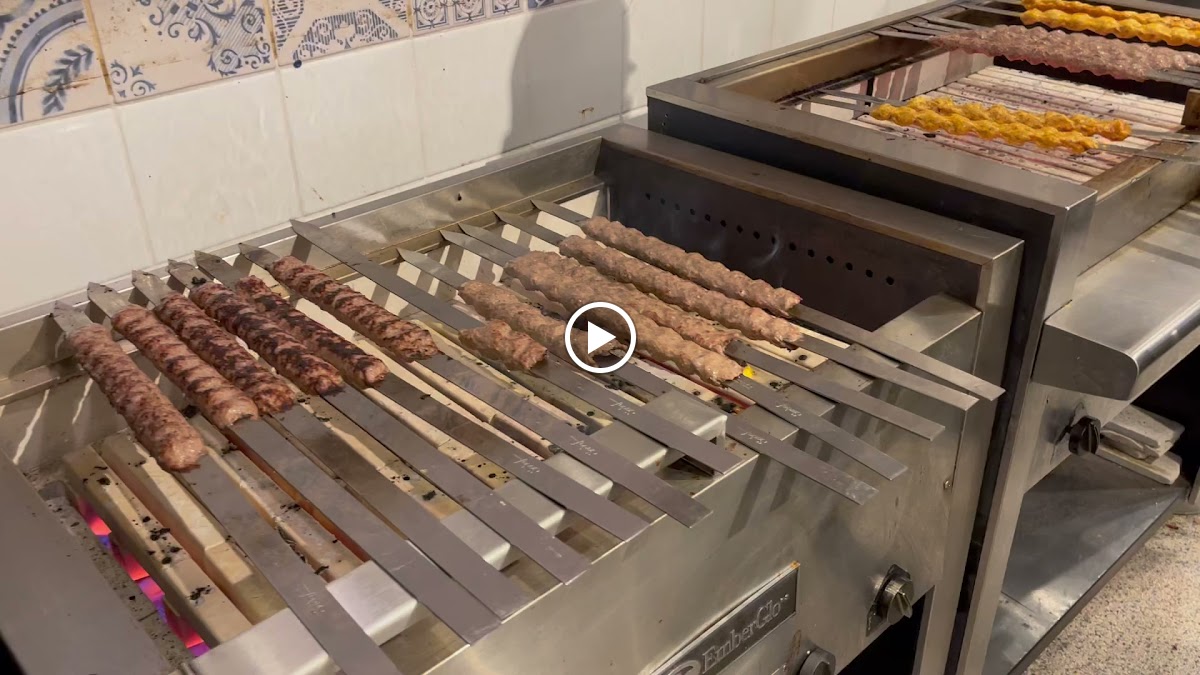
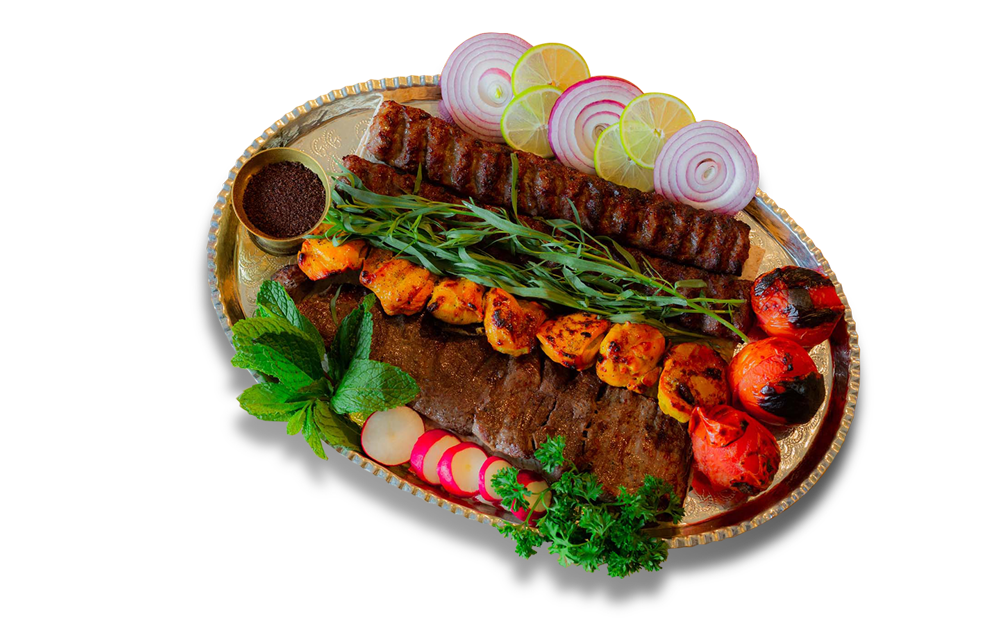
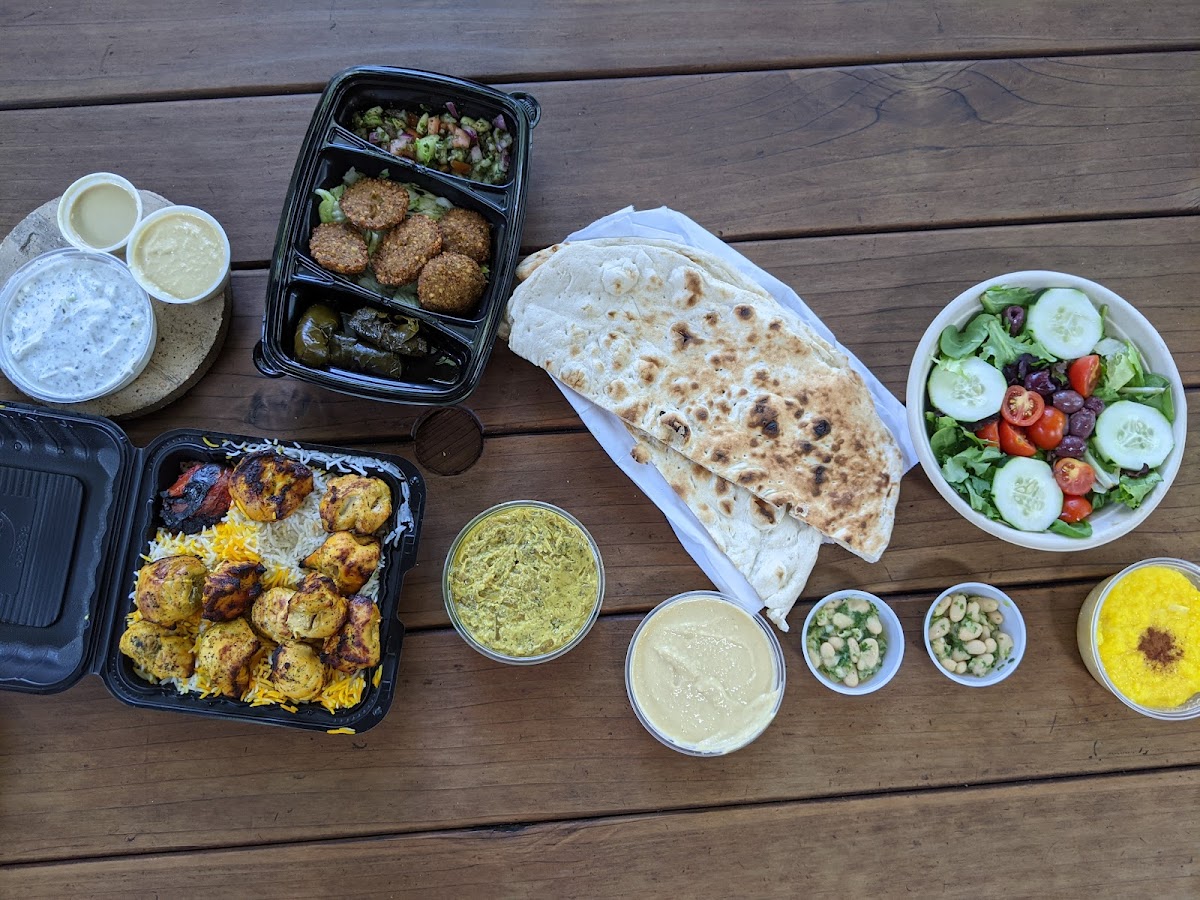
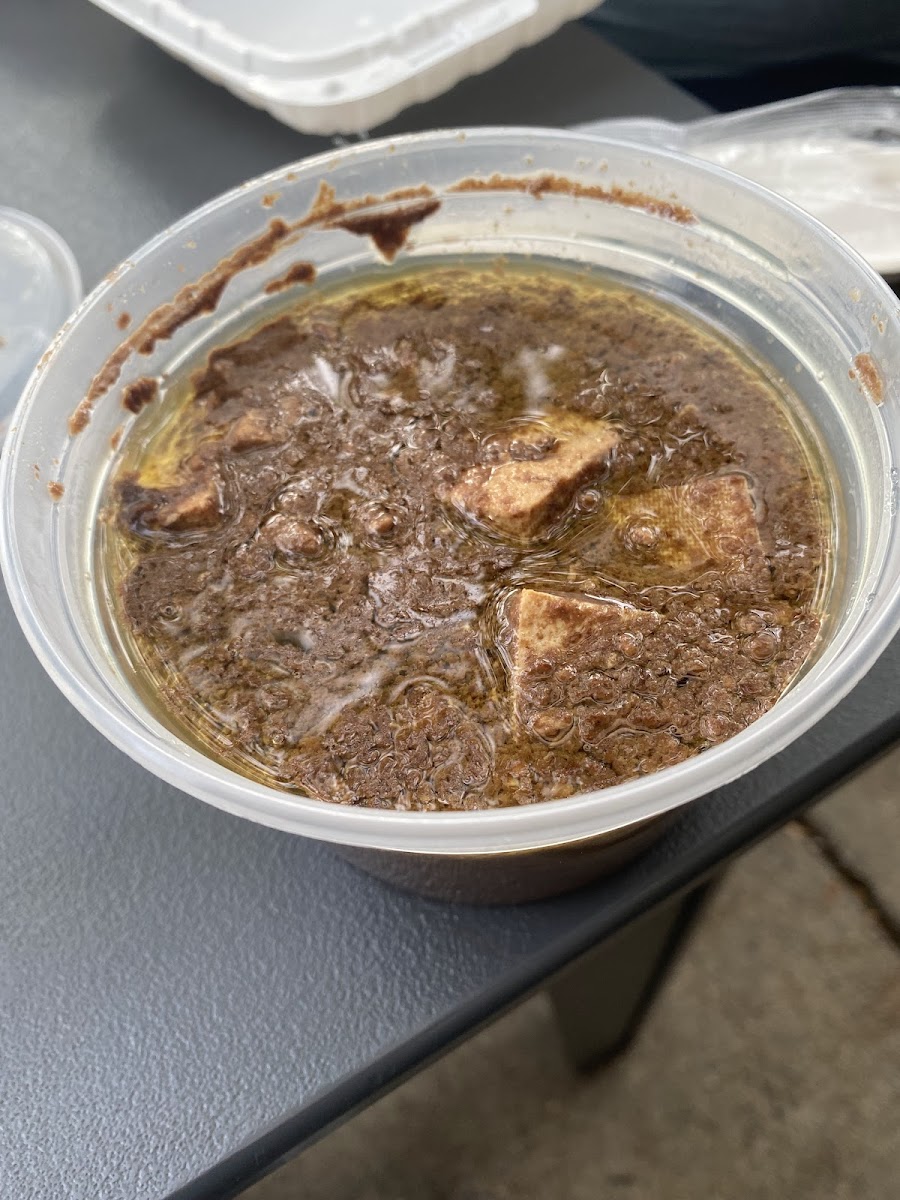
The space itself feels like a cozy neighborhood diner blended with a modern Persian kitchen. It’s casual but polished, the kind of place where families gather around big tables while solo diners sip tea at the counter. The menu leans heavily into Persian comfort food, and that’s exactly where it shines. Think fragrant basmati rice layered with barberries, tender koobideh kebabs, and rich stews like ghormeh sabzi simmered with herbs and kidney beans. According to the Iranian American Medical Association, traditional Persian cuisine often emphasizes herbs, legumes, and lean proteins, a balance that aligns with many Mediterranean-style dietary recommendations published by Harvard T.H. Chan School of Public Health. You can taste that thoughtful balance in every bite here.
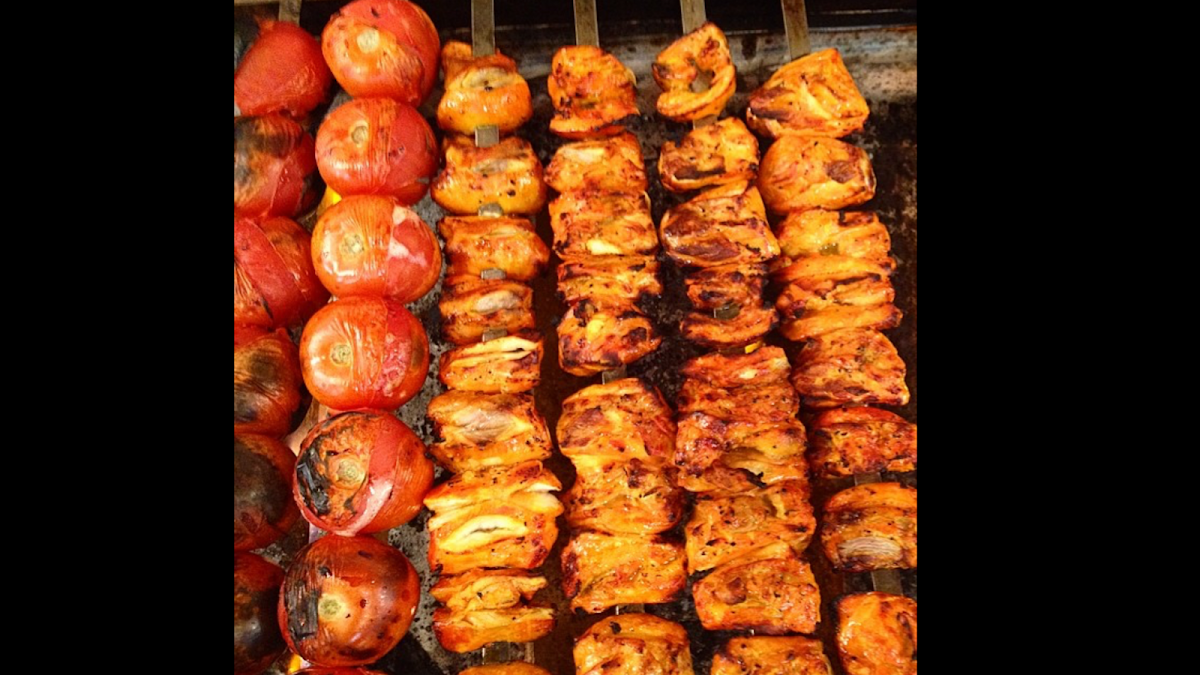
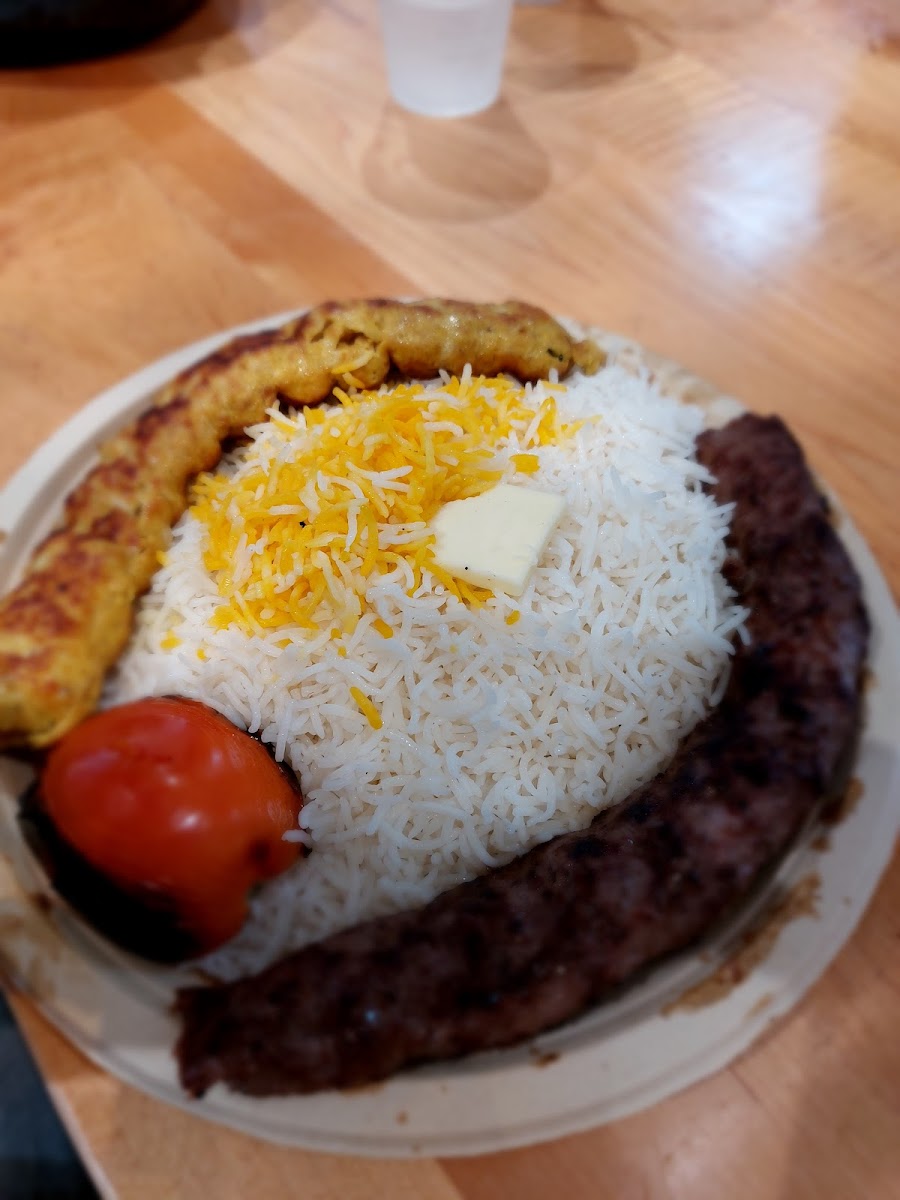
On my first visit, I ordered the chicken kabob platter. The meat was marinated overnight-a staff member explained that yogurt, lemon juice, and saffron are key to achieving both tenderness and depth of flavor. That slow marination process isn’t just culinary tradition; food science research from the Institute of Food Technologists shows that acidic marinades help break down muscle fibers, resulting in juicier grilled meats. The rice was fluffy and aromatic, with a golden crust of tahdig that regulars know to request early before it sells out. It’s that crispy layer at the bottom of the pot, and here, it’s practically a signature.
What stands out most is consistency. I’ve been back three times since that first meal, and the quality hasn’t wavered. One evening, I brought two friends who had never tried Persian food. They were skeptical at first, unsure about dishes they couldn’t pronounce. By the end of dinner, they were debating which stew to split next time. That’s the magic of a well-curated menu: it introduces unfamiliar flavors in a way that feels approachable. The staff walks you through options without rushing, explaining ingredients like sumac, turmeric, and pomegranate molasses in simple, clear terms.
Reviews from local diners often highlight the portion sizes, and that’s no exaggeration. Plates are generous, making it easy to share or take leftovers home. In a city where dining costs can escalate quickly, the value here feels fair for the quality and quantity offered. While I can’t speak to every single dish on the menu, the items I’ve tried-from lentil soup to lamb shank-have all delivered on freshness and flavor.
Another detail worth noting is the emphasis on hospitality. Persian culture places strong importance on welcoming guests, and you can sense that ethos in how customers are treated. Orders are double-checked, special requests are accommodated when possible, and there’s a genuine warmth in each interaction. The National Restaurant Association consistently reports that customer service is one of the top factors influencing repeat visits, and this place clearly understands that principle.
The location in Northwest Washington makes it accessible whether you’re a local resident or visiting nearby American University. Parking can be limited during peak hours, so planning ahead helps. Like many popular neighborhood spots, weekends can get busy. If you’re going with a group, calling ahead is smart. Still, even during rush periods, the kitchen maintains steady timing, which speaks to an organized back-of-house process.
In terms of transparency, menu offerings and hours can occasionally shift, especially around holidays, so checking directly before visiting is always wise. That said, the core experience-flavorful Persian cuisine, generous portions, and friendly service-remains steady.
Every city has restaurants that feel trendy and others that feel timeless. This one leans toward the latter. It doesn’t rely on gimmicks or over-the-top presentation. Instead, it focuses on craft, heritage, and the simple satisfaction of a well-cooked meal shared with others. And honestly, that’s what keeps me coming back.